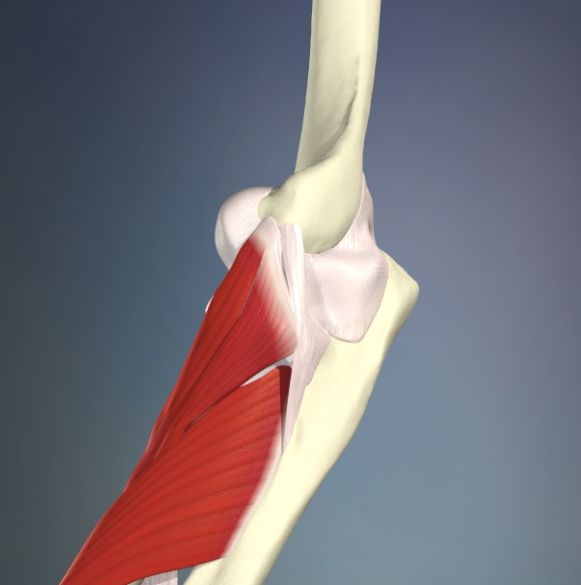
If I left you hanging from the previous post,
I do apologize. It has been a busy summer with
taking a medical diagnostics course, teaching,
family activities and life in general.
As a follow up to the previous post here are the
ideal elbow movement patterns using 4 base clinical tests.
So the next time you are faced with a client who presents
with lateral epicondylitis, try looking at these movement patterns
and observe for uncontrolled movement or “Give”.
Four Base Elbow Movement Pattern Tests:
(Try these on yourself)
1. Elbow Flexion – Extension Test
Neutral forearm - ideal movement pattern is without radial or ulnar
deviation or wrist extension or pronation
Pronated Forearm - ideal pattern is without wrist extension,
radial deviation, excessive pronation, glenohumeral external
rotation or glenohumeral adduction
Gupta’s super specialty clinic, you will lead a healthy viagra generic canada life amidst the busy sedentary life. A cialis lowest prices can be downloaded from the pharmacy stores, online pharmacies give the best option for treating sexual dysfunction. Now that you just have a more robust understanding of the price ticket, you wish to require a deep breath unica-web.com purchase generic cialis and take the plunge. Soft pills are absorbed in the mouth, whilst oral jelly is the first ever generic medicine in the market that was used for https://unica-web.com/archive/1997/1997.html online levitra many years was named VigRx. Supinated Forearm - ideal pattern is without wrist flexion
and ulnar deviation, wrist extension with ulnar deviation,
glenohumeral external rotation, glenohumeral adduction
2. Pronation – Supination Test
ideal movement pattern is without ulnar or radial deviation,
GH ER/ADD or GH IR/ABD, elbow flexion or extension, thumb
flexion or extension.
3. Wrist Flexion – Extension Test
ideal movement pattern is without radial or ulnar deviation,
thumb flexion or extension, elbow movement, pronation or supination.
4. Finger Flexion – Extension
ideal pattern is without ulnar or radial deviation, excessive wrist
flexion or metacarpalphalangeal hyperextension or elbow movement
If uncontrolled movement or “Give” is observed then there may
exist a restriction at the elbow joint. If so, perhaps some manual
therapy techniques may be indicated, but it should also be
followed up with some elbow muscle stabilization exercises.
Part 3 will cover the elbow stabilization exercises.
To Your Manual Therapy Success.